

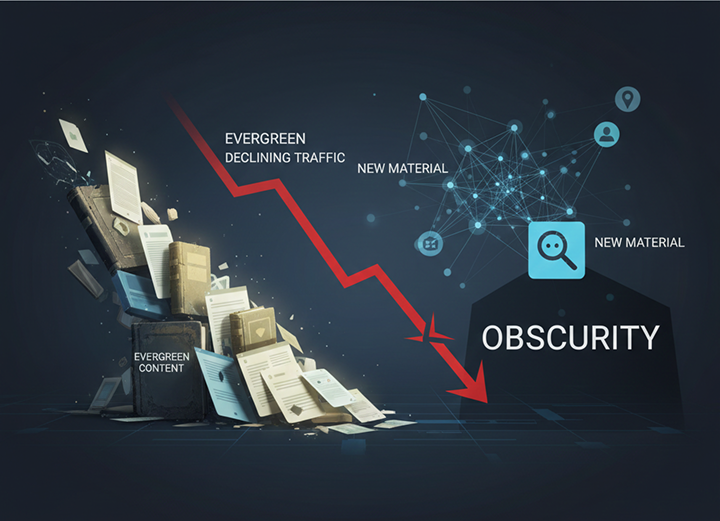
Imagine spending hours crafting what you believe to be the perfect piece of content, only to see it gradually slip into obscurity as traffic dwindles. It’s a common frustration for content creators and marketers alike, a brilliant article that once drew in visitors now sits idle, buried under layers of new material and forgotten by search engine algorithms. However, what if there were simple, actionable steps you could take to resuscitate this dormant content and recover up to 20% of your lost web traffic? The answer lies within a strategic approach known as content refresh strategy.
Content refresh strategy is more than just a buzzword; it’s a powerful method to breathe new life into your existing assets without having to start from scratch. By identifying and rejuvenating underperforming content, you can effectively reclaim the audience you once captivated.
In this blog post, we’ll explore six straightforward tactics to revamp your content, ensuring it resonates with today’s readers and search engines alike. Discover how strategic tweaks and updates can transform outdated pages into traffic-driving powerhouses, revitalizing your online presence and maximizing your digital impact.
Why You’re Losing Traffic (Even If You’re Publishing More Content)?
If you’re experiencing a decline in your website traffic despite increasing your content output, the issue might lie in outdated or underperforming posts. Implementing a content refresh strategy can be the key to recovering lost traffic. By focusing on low-hanging content refreshes, you can potentially reclaim up to 20% of your lost traffic.
Start by identifying posts with declining traffic using analytics tools. Update statistics, facts, and examples to ensure relevance and accuracy. Revise the content structure for better readability and engagement. Incorporate new keywords to improve search engine visibility. Adding multimedia elements like videos or infographics can also enhance user experience.
Regularly monitoring and refreshing your content is essential to maintain and grow your website traffic. By prioritizing these simple yet effective content refresh strategies, you can revitalize your existing posts and attract more visitors to your site.
What Is a Content Refresh Strategy?
A content refresh strategy involves updating existing content to boost its performance. It’s a proactive approach to maintain relevance and enhance visibility. By implementing this strategy, you can revitalize your website and attract more traffic. To execute a successful content refresh strategy, you must identify underperforming content and analyze ways to improve it.
In this blog post, the focus is on practical ways to implement a content refresh strategy. By targeting specific sections of your website and optimizing them, you can see a significant increase in traffic. It’s important to regularly assess your content and make necessary adjustments to stay competitive in the digital landscape.
Remember, a well-thought-out content refresh strategy can lead to substantial gains in website traffic and engagement. Stay proactive and keep your content fresh to reap the benefits of this effective approach.
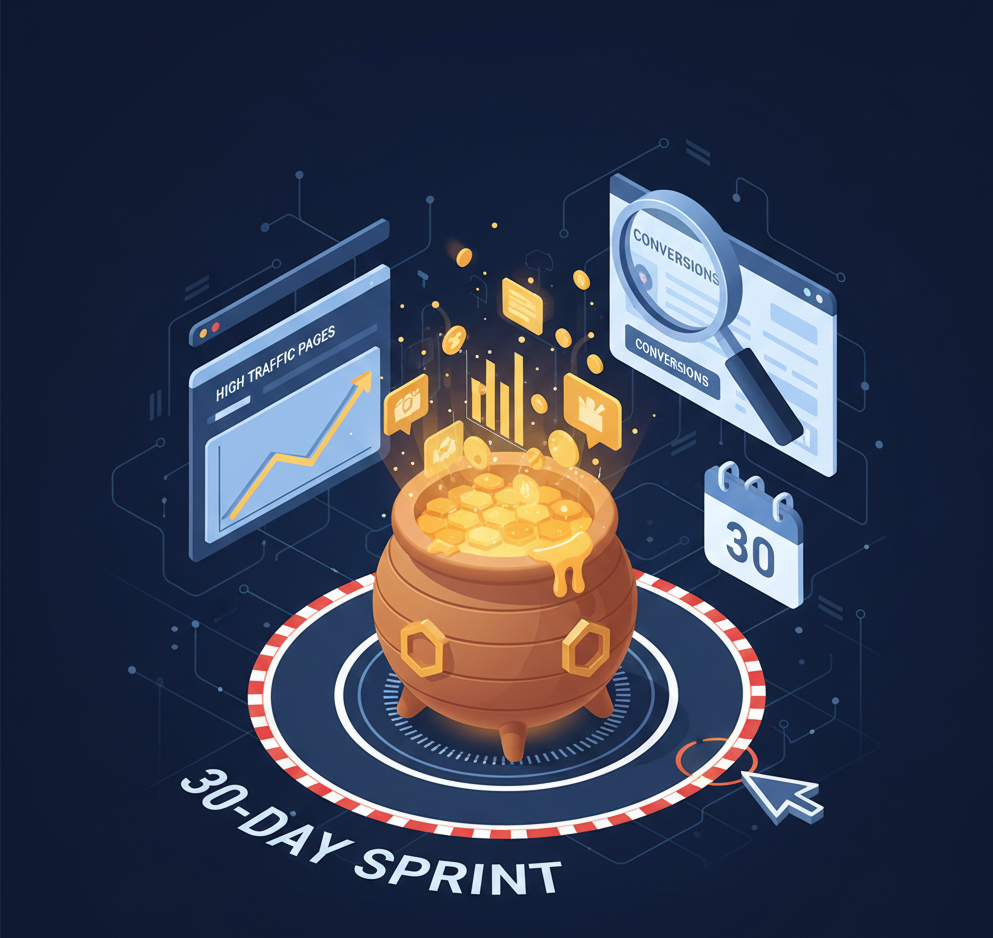
The 30-Day Recovery Sprint: Identifying Your “Honey Pot” Pages
To kickstart your content refresh strategy, engage in a 30-day recovery sprint focusing on identifying your “Honey Pot” page. Start by analyzing your website analytics to pinpoint the page that historically attracted the most traffic or conversions. This page holds significant potential for revitalization.
Next, conduct a thorough content audit to assess the current performance and identify areas for improvement. Look for outdated information, broken links, or missing multimedia elements that can be updated to enhance user experience and SEO ranking.
Leverage keyword research tools to identify relevant keywords and incorporate them strategically into your content. By optimizing your “Honey Pot” page with high-performing keywords, you can attract more organic traffic and boost your search engine visibility.
Throughout the 30-day sprint, monitor the performance of your refreshed content regularly. Track key metrics such as traffic, bounce rate, and conversion rates to gauge the impact of your efforts. Continuously iterate and refine your content to maximize results and recover lost traffic effectively.
Filtering for “Page 2” Rankings (Positions 11-20)
Filtering for “Page 2” Rankings (Positions 11-20) can significantly boost your content refresh strategy. When targeting the Section Keywords within this range, focusing on improving content quality and relevance is crucial. By honing in on these specific positions, you can effectively optimize your content to climb higher in search engine results.
Understanding the nuances of the Section Keywords and utilizing them strategically in your content refresh efforts can help recover a substantial amount of lost traffic. By specifically tailoring your updates to appeal to the algorithms that determine rankings in the 11-20 positions, you can enhance your visibility and attract more organic traffic. Remember, small yet targeted changes can make a big difference in elevating your content’s performance within this critical search result range.
The 80/20 Rule of Content Decay: Focus on Your Top Earners
When implementing a content refresh strategy, remember the 80/20 rule of content decay. Instead of spreading efforts thin, focus on your top earners – the high-traffic pages that bring in the most value. By giving these pages targeted attention and updates, you can recover lost traffic and maintain relevance.
Consider these 6 low-hanging content refreshes that can make a significant impact on your top earners. Updating statistics, refreshing visuals, optimizing for new keywords, enhancing internal linking, improving formatting, and adding relevant multimedia can breathe new life into your best-performing content. Prioritize these quick wins to maximize the effectiveness of your content refresh strategy and see a boost in engagement and traffic.
6 Low-Hanging Content Refreshes for Immediate SERP Impact
Looking to boost your search engine ranking quickly? Implement these 6 low-hanging content refresh strategies that can revitalize your online presence almost instantly. By focusing on these easy-to-implement tactics, you can witness a significant surge in your SERP performance, making a measurable impact on your lost traffic recovery efforts.
1. The “Date & Data” Reset: Updating timestamps and stale statistics.
To maximize the impact of your content refresh strategy, don’t overlook the importance of the “Date & Data” reset. Updating timestamps and refreshing stale statistics can breathe new life into your posts. When you implement these simple yet powerful changes, you can potentially recover up to 20% of your lost traffic.
By keeping your content relevant and up-to-date, you signal to search engines that your website is a valuable resource. This boosts your content refresh strategy efforts and helps you reclaim lost traffic. Remember, small updates such as refreshing timestamps and statistics can make a significant difference in your overall content performance.
2. Intent Alignment: Rewriting intros to match 2026 user search patterns.
Aligning the introduction of your content with the search patterns expected in 2026 is crucial for enhancing user engagement and search visibility. By restructuring your intros to resonate with the evolving search behaviors, you can optimize your content for improved user experience and higher traffic. Incorporating this strategic approach as part of your content refresh strategy can significantly impact your website’s visibility and lead to a potential 20% recovery of lost traffic.
Understanding and adapting to the changing landscape of user search patterns is key to maintaining relevance and capturing the attention of your target audience. By realigning your intros to cater to the anticipated 2026 search trends, you can stay ahead of the curve and drive organic traffic to your site. Implementing these small yet impactful changes in your content strategy can yield substantial results in terms of user engagement and search engine rankings.
3. The FAQ Power-Up: Using “People Also Ask” to capture zero-click real estate.
Leverage the FAQ Power-Up by incorporating the “People Also Ask” feature to dominate the zero-click real estate in search results. By strategically optimizing your content with relevant questions, you can enhance your visibility and attract more organic traffic. Implementing this tactic as part of your content refresh strategy can significantly boost your website’s performance.
Capturing the attention of users seeking quick answers is vital in today’s competitive digital landscape. By addressing commonly asked questions through the “People Also Ask” section, you can establish credibility and authority in your niche. Embrace this innovative approach to content optimization to maximize your online presence and drive valuable traffic to your site.
4. Semantic Coverage Fix: Adding missing subtopics (NLP gaps) identified by AI.
To enhance semantic coverage, AI plays a pivotal role in identifying missing subtopics within content, particularly in the field of Natural Language Processing (NLP). By leveraging AI algorithms, content creators can pinpoint gaps in their existing material, ensuring a comprehensive coverage of relevant subtopics related to the main theme of the content. This proactive approach not only enriches the content but also boosts its visibility and relevance to the target audience, aligning with an effective content refresh strategy aimed at optimizing traffic and engagement.
Implementing a semantic coverage fix through AI-driven subtopic identification is a strategic content refresh tactic that can potentially recover up to 20% of lost traffic. By addressing NLP gaps and incorporating missing subtopics, content can better cater to search engine algorithms and user intent, thereby improving its search ranking and overall performance. Embracing this innovative approach aligns with the broader goal of maximizing the impact of content refresh strategies in driving meaningful results for digital presence and audience engagement.
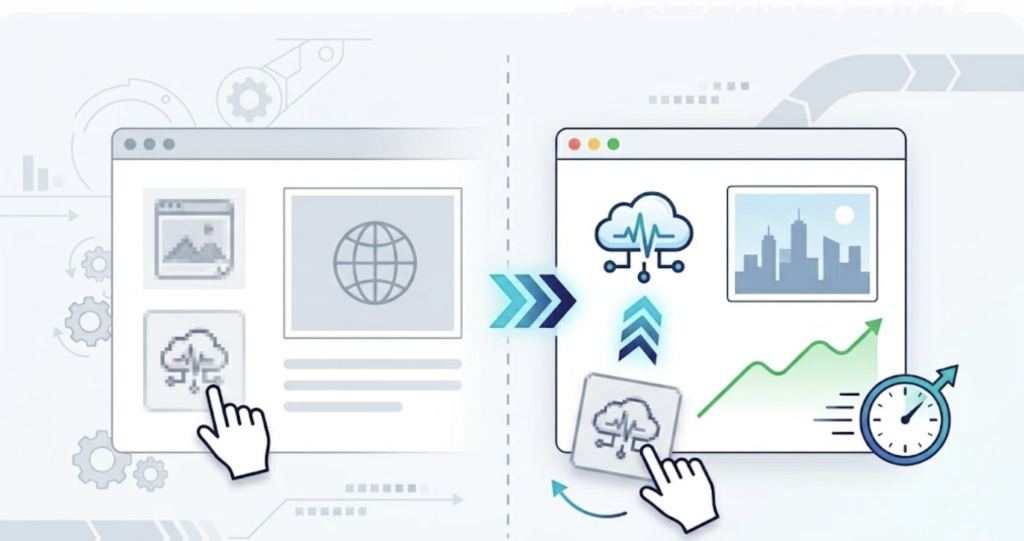
5. Visual Refresh: Replacing outdated screenshots and improving Core Web Vitals.
To enhance your content refresh strategy, consider a visual overhaul by updating old screenshots and enhancing Core Web Vitals. Outdated visuals can deter users, impacting your site’s performance. By refreshing visuals, you can revive user engagement and improve overall user experience, crucial for boosting Core Web Vitals metrics like loading times and interactivity.
Upgrading visuals not only modernizes your content but also aligns with search engine algorithms, potentially recovering lost traffic. Implementing these visual improvements as part of your content refresh strategy can make a significant impact on user retention and search engine ranking. By focusing on a visual refresh and optimizing Core Web Vitals, you can revitalize your content and attract more organic traffic to your site.
Internal link injection is a powerful strategy to boost your website’s authority and traffic. By strategically placing internal links within your content, you can channel authority from well-established pages to newer ones, enhancing their visibility and search engine rankings. This technique aligns perfectly with the content refresh strategy, leveraging existing high-performing content to elevate newer posts.
When implementing internal link injection, focus on linking relevant anchor text to guide users and search engines to related topics within your site. This not only enhances user experience but also signals to search engines the interconnectedness and importance of various pages on your website. By incorporating this practice as part of your content refresh plan, you can effectively recover lost traffic and maximize the impact of your SEO efforts.
Executing the 30-Day Sprint: Week-by-Week Plan
Week one of executing the 30-Day Sprint for your content refresh strategy is all about assessment and planning. Dive deep into your analytics to identify underperforming pages. Prioritize based on potential traffic recovery. In week two, kick off the action by updating meta titles and descriptions of target pages. Implement relevant keywords to improve SEO.
Moving on to week three, focus on enhancing readability and engagement. Break down lengthy paragraphs and add bullet points where necessary. Week four is the final push – optimize images and internal links to boost overall user experience. By the end of this sprint, you’ll witness a significant improvement in your website’s traffic and engagement levels.
Week 1: Detection and Prioritization
When diving into Week 1’s topic of Detection and Prioritization, it’s crucial to employ a strategic content refresh strategy to maximize results. By focusing on low-hanging content refreshes, you can effectively recover up to 20% of your lost traffic. Applying content marketing principles at this stage helps prioritize pages that deliver the highest value to your audience and align with your business objectives. Analyzing and identifying underperforming pages and then prioritizing them for updates based on user engagement metrics and search engine rankings can significantly impact your overall website traffic. Implementing these simple yet powerful content refresh techniques aligned with your content strategy can result in a substantial traffic boost and improved visibility for your website.
Week 2-3: Deployment of Refreshes
Implementing a strategic content refresh plan can significantly boost your website traffic. During weeks 2-3 of your deployment strategy, focus on these low-hanging content refreshes to recover up to 20% of lost traffic. Update meta descriptions, headings, and images with relevant keywords to enhance SEO. Revise outdated statistics and information to maintain credibility. Incorporate internal links to improve user engagement and reduce bounce rates. By consistently applying these content refresh strategies, you can effectively optimize your website for increased visibility and traffic growth.
Week 4: Indexing Requests and Monitoring
Implementing a strategic content refresh plan can significantly boost your website traffic. During weeks 2-3 of your deployment strategy, focus on these low-hanging content refreshes to recover up to 20% of lost traffic. Update meta descriptions, headings, and images with relevant keywords to enhance SEO. Revise outdated statistics and information to maintain credibility. Incorporate internal links to improve user engagement and reduce bounce rates. By consistently applying these content refresh strategies, you can effectively optimize your website for increased visibility and traffic growth.
When Manual Refresh Breaks Down at Scale
When a manual refresh fails to deliver results on a large scale, implementing a comprehensive content refresh strategy becomes imperative. In the blog post titled “6 Low-Hanging Content Refreshes That Can Recover 20% of Your Lost Traffic,” the focus is on revamping existing content to regain lost traffic efficiently. By incorporating targeted section keywords strategically within the refreshed content, such as optimizing meta descriptions, updating statistics, and enhancing visuals, you can enhance overall engagement and visibility. This approach ensures that your content remains relevant and competitive in the ever-evolving online landscape.
How AI SEO Agents Automate Content Refresh at Scale?
AI SEO agents play a pivotal role in automating content refresh at scale. By leveraging advanced algorithms and machine learning, these agents efficiently analyze website data to identify content areas that need updating. This content refresh strategy not only boosts search engine visibility but also enhances user engagement.
In the quest to recover lost traffic, implementing low-hanging content refreshes can yield significant results. By focusing on strategic updates driven by data insights, websites can experience a remarkable 20% increase in traffic. With AI SEO agents streamlining the process, content creators can effectively prioritize and execute these refreshes to maximize their impact on overall website performance.

Final Thoughts
When it comes to optimizing your website’s performance, implementing a content refresh strategy is crucial. These low-hanging content refreshes not only enhance user experience but also contribute to recovering lost traffic. By focusing on updating outdated content, improving internal linking, and optimizing meta tags, you can expect a significant boost in your website’s visibility.
Remember, consistency is key. Monitoring your website’s performance post-refresh and making necessary tweaks are essential for long-term success. Embracing these simple yet effective strategies can lead to a remarkable 20% recovery of your lost traffic. So, don’t underestimate the power of content refreshes in maximizing your online presence and driving organic traffic to your site.
FAQs
For high-traffic assets, aim for a review every 3–6 months. In fast-moving industries, quarterly updates ensure your data remains accurate and your rankings stay ahead of competitors.
Only if the update is substantial. “Faking freshness” can damage your credibility, but updating timestamps after a significant refresh—like adding new data or subtopics—signals search engines to re-crawl and reward your content.
These pages are in “striking distance.” Since they already have authority, minor tweaks like a visual refresh or FAQ addition can push them to Page 1 much faster than launching new content from scratch.