

Online marketing shifts fast. Algorithms update, trends change, and yesterday’s top content can quickly lose impact. For enterprise SEO teams, content decay is a constant risk. You can spend hours creating a strong piece, only to see its performance fade. To stay competitive, brands must spot content decline early and automate how they respond.
As seasoned digital strategists know, even the most captivating articles can see their impact diminish as they age. Suddenly, organic traffic dwindles, conversions drop, and what was once a crown jewel of your content strategy becomes just another forgotten link. By recognizing specific content decay patterns and harnessing automation, you can revitalize your digital assets before they fade into oblivion. This blog post will explore 10 essential content decay patterns every enterprise SEO should be aware of! We will also learn how automation can be a game-changer in preserving your content’s vitality.
The “Silent Killer” of Enterprise Growth: Why Manual Audits are Failing?
Below are the reasons why manual audits are failing. Let’s discuss one by one:
The Scale Problem: 10,000+ Pages vs. A Spreadsheet
When facing the challenge of content decay, handling 10,000+ pages manually using a spreadsheet becomes a daunting task. The sheer volume of content makes it impossible to track changes effectively, leading to missed opportunities for optimization and updates. Manual audits fall short in identifying the subtle decay patterns that can impact the overall performance of your content.
Defining “Ghost Traffic” and the ROI of Automated Recovery
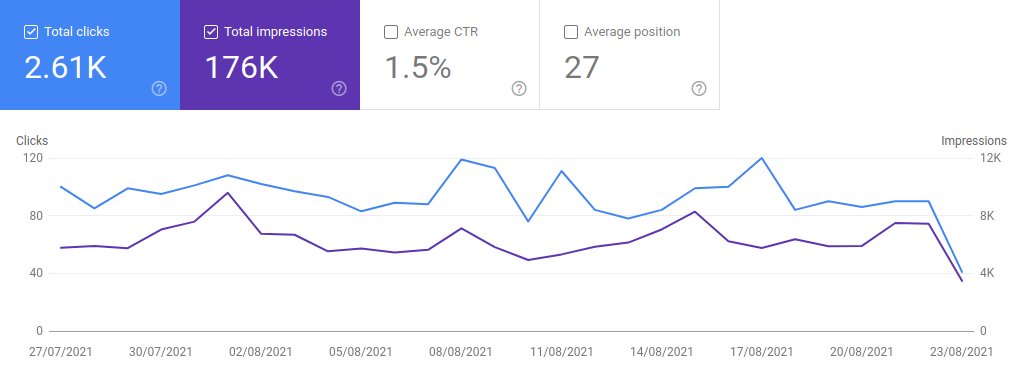
“Ghost traffic” refers to the unseen decline in organic traffic that occurs gradually over time due to content decay. By automating the recovery process, enterprises can significantly improve their return on investment. Automated tools can quickly identify and address these hidden issues. This ensures that your content remains relevant and competitive in the ever-evolving digital landscape.
Moving Beyond Search Console: The Need for AI-Driven Pattern Recognition
To combat content decay effectively, enterprises must move beyond relying solely on Search Console data. AI-driven pattern recognition enables teams to identify decay trends proactively. As a result, they can execute timely interventions to maintain content relevance. By leveraging advanced technologies, enterprises can stay ahead of the curve and safeguard their online visibility.
The 10 High-Impact Content Decay Patterns to Automate
Let’s discuss the top 10 high impact content decay patterns to automate:
1. The “Slow Erosion” (Steady Month-over-Month Decline) :
Addressing gradual declines in traffic and engagement by implementing automated monitoring and optimization strategies.
2. The “Seasonal Flatline” (Failure to Re-Optimize Before Peak Demand) :
Ensuring that content is refreshed and optimized ahead of seasonal peaks to maximize visibility and engagement.
3. The “Intent Shift” Drop (When SERPs Favor New Content Formats) :
Adapting content to align with evolving search intent and format preferences to maintain relevance in search results.
4. Semantic Gap Decay (Competitors Winning on NLP Coverage) :
Closing the semantic gaps between your content and competitors’ to improve search engine visibility and user engagement.
5. The “Snippet Steal” (Losing Position Zero to More Concise Answers) :
Optimizing content for featured snippets allows you to secure prime real estate in search results; consequently, this strategy becomes a primary driver of high-intent organic traffic.
6. Outdated Data Rot (High Bounce Rates from 2+ Year Old Stats) :
Refreshing outdated data and statistics to enhance credibility and user experience on your website.
7. Internal Link Cannibalization (Newer Pages Killing Legacy Authority) :
Automation helps resolve internal linking conflicts. As a result, the authority of legacy pages is preserved while the overall website structure remains cohesive.
8. The “Broken UX” Weight (Legacy Template Decay and Dead Assets) :
Updating outdated website templates and removing dead assets to enhance user experience and SEO performance.
9. Brand Voice Drift (Content That No Longer Meets 2026 Compliance) :
Aligning content with current brand guidelines and industry standards ensures all legacy assets remain updated, ultimately maintaining brand consistency and regulatory compliance.
10. The “Technical Debt” Slump (Core Web Vital Creep on Older URLs) :
Addressing technical issues on older URLs to improve site speed, user experience, and search engine rankings.
The “Automation Trap”: Why Most Enterprise Teams Are Doing it Wrong?
Many enterprise teams fall into the automation trap by relying solely on tools without a strategic approach. Audit paralysis sets in when numerous issues are identified but no actions are taken to address them effectively. Many enterprise teams fall into the automation trap by relying solely on tools without a strategic approach. Similar to amazon FBA automation, successful SEO automation requires the right workflow, clear decision rules, and consistent execution rather than depending on software alone. Audit paralysis sets in when numerous issues are identified but no actions are taken to address them effectively
Hiring more writers is not the solution to content decay; instead, teams should focus on leveraging autonomous content refreshing methods to maintain content relevance and performance.
Teams managing a larger content library can use dedicated content decay tools for enterprise teams instead of checking every URL manually.
How to Build an Automated SERP Recovery Workflow?
1. Step 1: Pattern Detection via API (GSC + Search Console Integration) : Integrating data sources to detect patterns of content decay and prioritize areas for optimization.
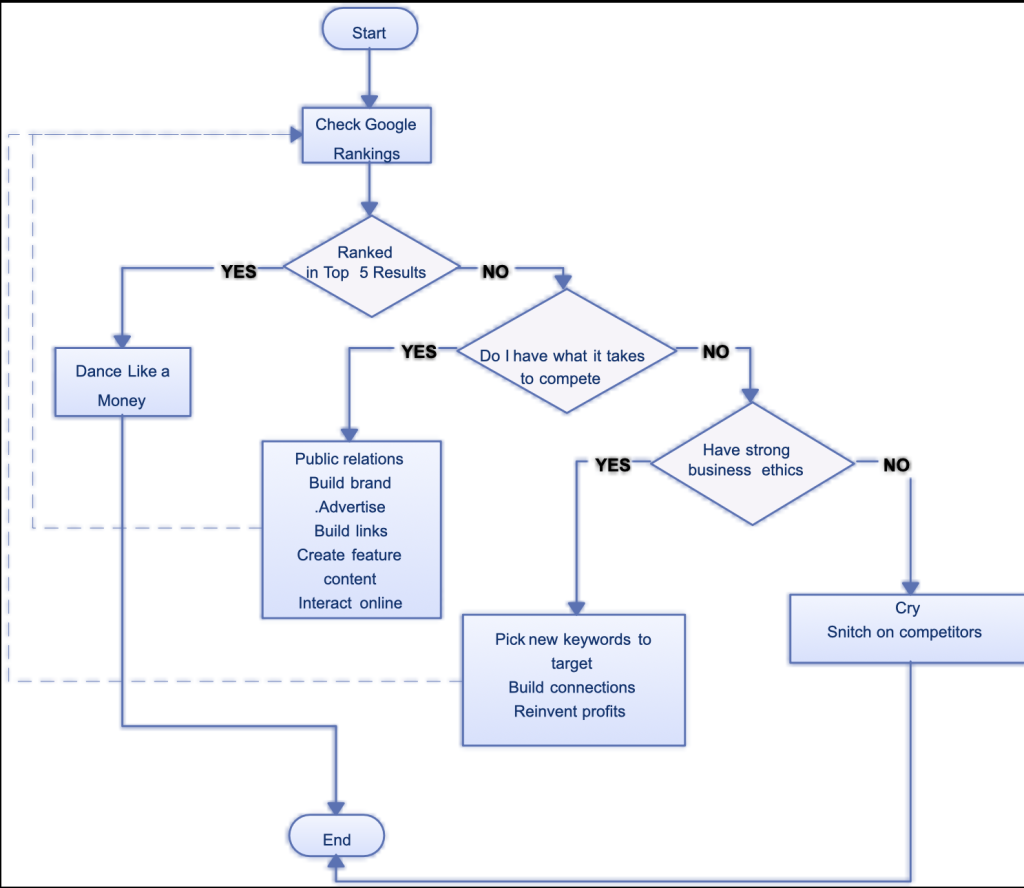
2. Step 2: Automated Diagnosis (Categorizing the Decay Type) : Categorizing decay types based on data analysis to streamline the content recovery process.
3. Step 3: Deployment (Light Refreshes vs. AI-Driven Rewrites) : Choosing between light content refreshes and AI-driven content rewrites based on the severity of decay patterns identified.
4. Step 4: The “Rebound” Loop (Validating Recovery Without Human Intervention) : Implementing a feedback loop to monitor the effectiveness of content recovery efforts and adjust strategies accordingly.
From SEO Audits to Autonomous Recovery Systems
Traditional SEO audits are reactive.
Content Decay Automation is predictive.
Instead of asking:
“What dropped?”
You ask:
“What is about to drop next?”
This shifts you from writing advice to creating a SaaS category.
Conclusion: Transforming from SEO Manager to Systems Architect
In the ever-evolving landscape of digital marketing, the role of an SEO manager is transitioning into that of a systems architect. By prioritizing efficiency over volume and adopting automated workflows to combat content decay, enterprises can gain a competitive edge in 2026 and beyond. Embracing technological advancements and strategic approaches will empower teams to navigate the challenges of content decay and drive sustainable growth in the digital realm.
Frequently Asked Questions (FAQs)
Content decay happens when a page gradually loses rankings, traffic, and conversions over time due to outdated information, shifting search intent, or stronger competitors.
Manual audits can’t effectively monitor thousands of URLs. As a result, slow traffic declines and hidden performance drops often go unnoticed.
Ghost traffic is the silent, gradual loss of organic visits caused by unnoticed content decay across multiple pages.
Automation detects performance drops early, identifies the decay pattern, and triggers updates or rewrites before rankings significantly decline.