

Content marketing used to follow a simple rule: publish new articles regularly and rankings would grow. However, search engines in 2026 work differently. Pages that once ranked well can slowly lose traffic as competitors publish newer information, statistics become outdated, and search intent changes. This process is called content decay, and it affects almost every website with a growing content library. For businesses managing dozens or even hundreds of pages, manually updating articles is no longer practical. That is why many SEO teams now rely on an AI agent for content decay automation.
These systems monitor rankings, detect outdated information, and recommend or apply updates automatically. In this guide, you will learn how AI agents handle content decay, which tools perform best, and how to choose the right solution for your website.
The 2026 Reality: Content Doesn’t Just Age, It “Rots”
Search engines increasingly prioritize fresh, accurate, and intent-aligned information. As a result, older content often loses rankings even when it was once highly optimized.
This happens because algorithms now analyze several freshness signals such as:
- updated statistics and data
- newly published competitor content
- changing user intent
- new industry trends or technologies
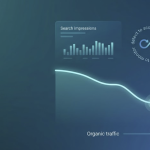
When a page stops reflecting the most current information, search engines gradually replace it with newer results. This is why many websites notice a slow but steady decline in organic traffic over time.
Instead of simply aging, content begins to “rot” in search results unless it is updated regularly.
What Is Content Decay in SEO?
Content decay refers to the gradual loss of search rankings and organic traffic caused by outdated or less relevant content.
A page may rank well when it is first published. However, several factors can cause performance to decline months later.
Common causes of content decay include:
- outdated statistics or research
- broken external or internal links
- competitors publishing more comprehensive content
- changes in search intent
- outdated product recommendations or tools
- missing new subtopics appearing in the SERP
For example, a blog post written in 2023 may contain data or tools that are no longer relevant in 2026. Search engines prefer results that reflect the latest insights, which means older articles gradually drop in rankings.
This is why content refresh strategies have become essential for SEO growth.
Why Manual Content Updates No Longer Scale?
Updating content manually may work for small blogs. However, once a website reaches 100 or more pages, managing content refresh cycles becomes extremely difficult.
SEO teams often face several challenges:
- identifying which pages are losing traffic
- analyzing why rankings dropped
- researching new competitor content
- rewriting outdated sections
- updating internal links and statistics
Even a small content library can require dozens of updates every month. Without automation, many pages remain outdated and slowly lose their rankings.
This challenge has led to the rise of AI-driven content decay automation tools that monitor performance and recommend updates automatically.
Three Types of AI Tools That Handle Content Decay
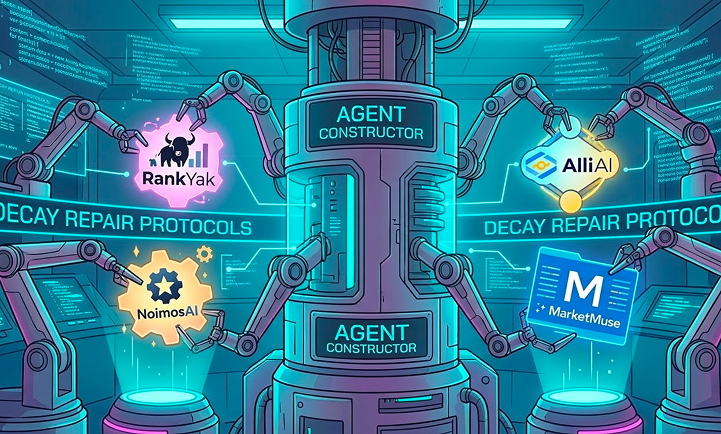
Not all SEO tools solve the content decay problem in the same way. In fact, most platforms fall into three categories depending on how much automation they provide.
Understanding these categories helps you choose the right tool for your workflow.
Observer Tools: AI That Detects Content Decay
Observer tools focus on monitoring website performance and identifying traffic drops. They provide valuable insights but still require manual action.
Popular examples include:
- Semrush
- Ahrefs
- ContentKing
These tools track metrics such as keyword rankings, click-through rates, and organic traffic trends. When a page starts losing visibility, they alert the SEO team so that updates can be made.
Observer tools are powerful for analytics and research. However, they still depend heavily on human intervention because they do not automatically rewrite or update content.
For many SEO professionals, these platforms serve as the first step in identifying decaying pages.
Optimizer Tools: AI That Suggests Content Improvements
The second category includes AI-powered optimization platforms that analyze search results and recommend improvements.
Examples include:
- Surfer SEO
- Clearscope
- NeuronWriter
These tools scan top-ranking pages for a specific keyword and build a semantic content model. They then suggest:
- missing keywords and topics
- recommended headings
- optimal word count
- competitor insights
Writers can use these insights to refresh content and improve relevance.
While optimizer tools significantly improve content quality, they still require human writers to apply the changes. Therefore, they offer assisted automation rather than full automation.
Operator Tools: Autonomous AI Agents That Update Content
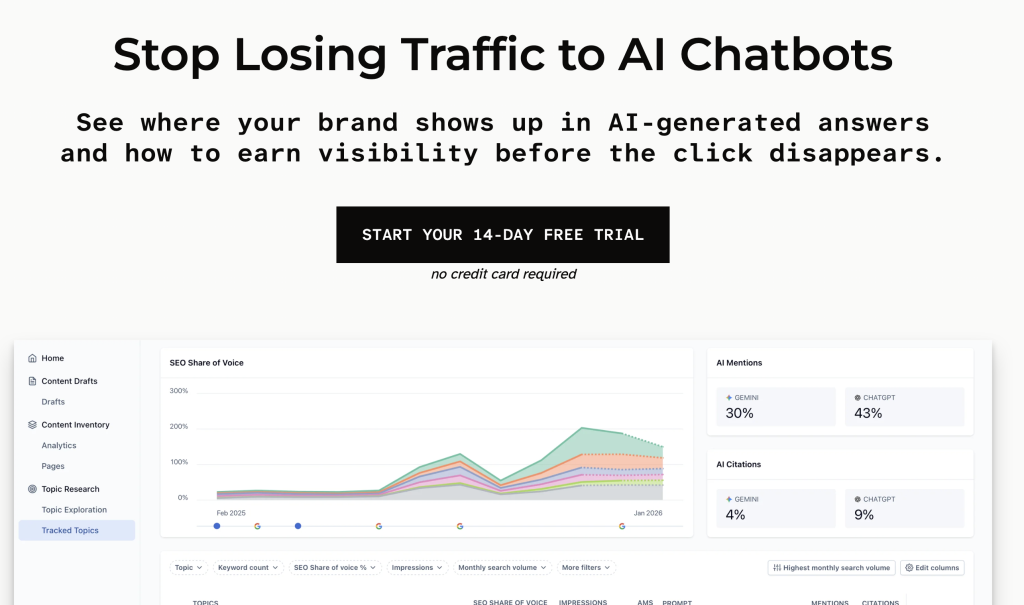
The most advanced solutions are autonomous AI agents that actively monitor and update content with minimal human involvement.
Examples include:
- RankYak
- Alli AI
- NoimosAI
These systems connect directly to analytics platforms and search data. When they detect performance decline, they can analyze the page and determine what needs improvement. As organizations deploy AI agents to monitor rankings, identify content decay, and automate refresh workflows, success increasingly depends on GenAI in Enterprise Cloud environments that can support governance, scalability, security, and continuous AI operations.
Advanced AI agents may perform actions such as:
- identifying outdated statistics
- researching updated information
- adding new sections based on competitor content
- fixing internal links
- updating content directly inside the CMS
Because they automate both detection and updates, these tools represent the next generation of AI SEO agents designed for continuous optimization, including solutions built as a White label AI agent Platform for agencies managing multiple client websites at scale.
Best AI Agents for Automating Content Decay
Several tools currently lead the market for automated content refresh workflows. Each one focuses on a different aspect of SEO automation.
Understanding their strengths will help you decide which tool fits your strategy.
RankYak: Best AI Agent for Hands-Off Content Automation
RankYak is designed for users who want fully automated content optimization. Its system monitors website performance and continuously updates or publishes optimized content.
One of its most notable features is the autopilot mode. This feature allows the platform to publish new optimized articles or refresh existing pages regularly.
Key advantages include:
- automated keyword research
- content generation and optimization
- continuous publishing workflows
For small websites or niche blogs, RankYak provides a simple way to maintain fresh content without constant manual work.
Alli AI: Best AI Agent for Large-Scale SEO Automation
Alli AI focuses on technical SEO automation across large websites. Instead of updating content manually page by page, it allows bulk optimization across thousands of URLs.
The platform integrates directly with a website’s code and can deploy SEO updates instantly.
Its capabilities include:
- large-scale on-page optimization
- automated schema implementation
- internal linking improvements
- SEO updates without developer involvement
Because of its scalability, Alli AI is particularly useful for enterprise websites and e-commerce platforms with massive product catalogs.
MarketMuse: Best AI Tool for Semantic Content Updates
MarketMuse specializes in topic authority and semantic content analysis.
Instead of simply suggesting keywords, the platform analyzes an entire content library and identifies missing topics or weak areas. Its topic inventory system highlights which pages need updates and which topics competitors are covering more effectively.
MarketMuse helps content teams:
- discover missing subtopics
- strengthen topical authority
- build comprehensive content clusters
- refresh outdated articles strategically
For editorial teams focused on long-form authority content, MarketMuse offers powerful insights for maintaining relevance in competitive search results.
Key Features to Look for in an AI Content Decay Agent
Choosing the right AI system requires evaluating the features that support long-term SEO performance. The best content decay automation tools usually include several critical capabilities.
Data Integration With Search Platforms
An effective AI agent should integrate with platforms like Google Search Console and analytics tools. This allows it to detect declining impressions, clicks, and rankings in real time. Without this data, automation cannot accurately identify which pages need updates. Many businesses rely on a google rank check seo agency to monitor these ranking shifts, but AI-driven integrations make this process faster and more scalable.
Real-Time Content Research
Content refresh automation works best when the AI can research current information. This includes replacing outdated statistics, referencing new studies, and analyzing recently published competitor pages. Real-time research ensures that refreshed content remains relevant.
Automatic Link Maintenance
Internal links often break as websites grow. Advanced AI systems can detect 404 errors, repair links, and improve anchor text automatically. This helps maintain strong site structure and improves crawl efficiency.
Human-in-the-Loop Controls
Although automation is powerful, most organizations still want editorial oversight. The best AI tools allow users to review suggested changes before they go live. These safeguards help prevent publishing errors or inaccurate updates.
AI Agents vs Traditional SEO Tools
Traditional SEO tools and AI agents both contribute to optimization, but they serve different roles in modern workflows. These platforms focus mainly on analysis and reporting, while AI agents focus on action and automation.
Traditional tools typically:
- monitor rankings and traffic
- provide keyword research data
- generate SEO reports
AI agents go further by:
- detecting content decay automatically
- analyzing competitor updates
- recommending or applying content improvements
- continuously optimizing pages
Because of this difference, many organizations now combine both systems to create a fully automated SEO workflow.
Which AI Agent Should You Choose?
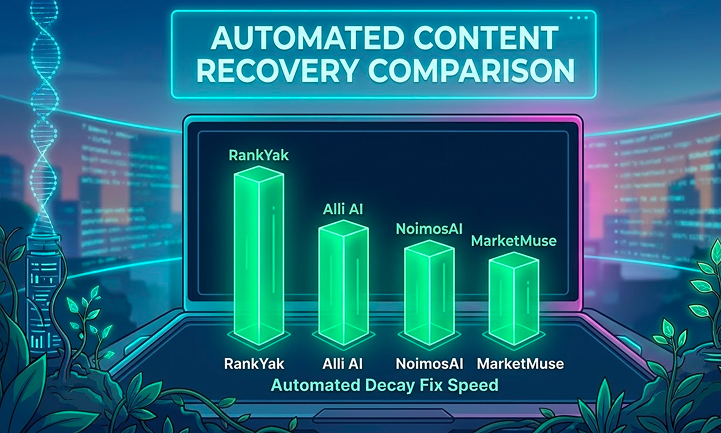
The best AI agent depends largely on the size of your website and the level of automation you need. For small blogs and independent creators, tools like RankYak or Surfer SEO provide strong automation with manageable complexity. Enterprise websites and large e-commerce platforms often benefit more from scalable solutions such as Alli AI that can deploy updates across thousands of pages.
Content agencies and SEO teams may prefer platforms like MarketMuse or NoimosAI because they provide deeper research insights and collaborative workflows. Choosing the right platform ultimately depends on your content strategy, technical infrastructure, and level of automation desired.
Turning Content Decay Into a Continuous Growth Strategy
Many marketers believe SEO success depends on constantly publishing new articles. However, modern search strategies increasingly focus on maintaining and improving existing content.
By using an AI agent for content decay automation, websites can transform declining pages into opportunities for growth.
Instead of letting rankings drop, AI systems continuously monitor performance, update outdated information, and align content with evolving search intent.
Over time, this approach creates a self-improving content library where pages remain relevant long after publication.
In the evolving SEO landscape of 2026, the winning strategy is no longer just producing new content. The real advantage comes from maintaining infinite freshness, where AI agents keep every page optimized, accurate, and competitive.
Conclusion
Content decay is inevitable, but it doesn’t have to hurt your rankings. With the help of AI-powered SEO tools and agents, websites can detect traffic drops, update outdated information, and keep content aligned with current search intent. By regularly refreshing existing pages instead of only creating new ones, businesses can maintain stronger rankings and build a more sustainable long-term SEO strategy.
FAQs
Content decay is the gradual decline in search rankings and organic traffic that happens when a webpage becomes outdated, less relevant, or is overtaken by newer competitor content.
Yes. Many AI-powered SEO tools can detect performance drops, analyze competitor pages, and recommend or apply updates to refresh outdated content.
Most SEO experts recommend reviewing important pages every 6 to 12 months. However, AI monitoring tools can identify performance drops earlier and trigger updates when needed.